
The First Look Decision: Logistics Beyond the Moment

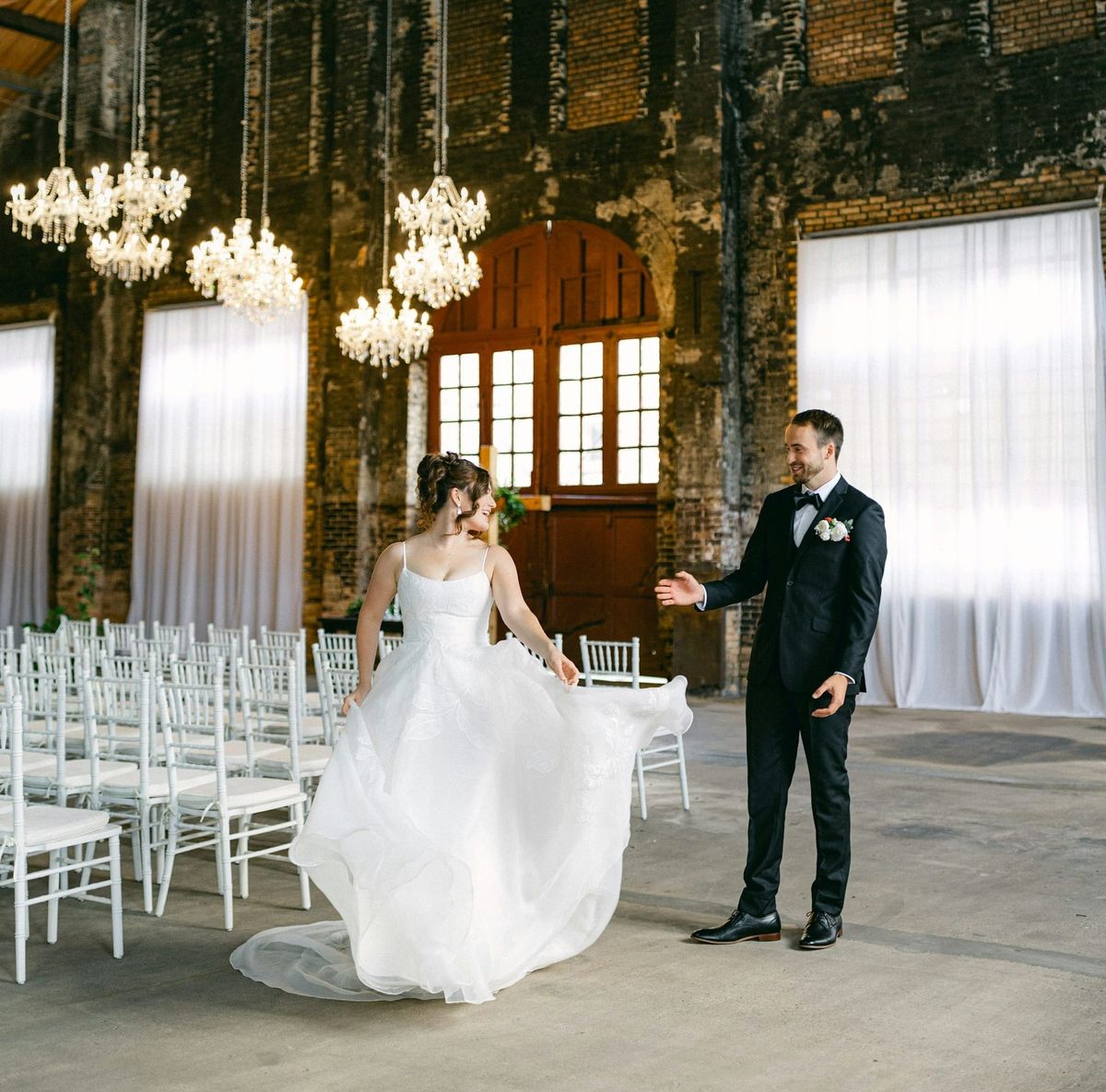
The first look, the planned moment before the ceremony where the couple sees each other for the first time, has become a standard offering in most wedding photography packages. It is also one of the more genuinely personal decisions in wedding planning, and the choice to do or not do a first look has real logistical implications for the rest of the day beyond what the photographs look like.
What a First Look Changes About the Day
The primary logistical effect of a first look is that it opens up a significant portrait window before the ceremony. Rather than spending cocktail hour for couples portraits and family formals, much of that photography can happen in advance, leaving cocktail hour free for the couple to actually attend their own cocktail hour and spend time with guests.
For couples with large extended families requiring substantial formal portrait time, a first look often reduces post-ceremony photography pressure considerably. A 40-person family portrait session during cocktail hour is stressful and keeps the couple away from guests for a long time. The same session scheduled before the ceremony, with guests not yet present, is more relaxed and often faster.
A first look also means the couple spends more time together on the wedding day before the ceremony begins. For couples who experience significant nerves, having a private moment together earlier in the day can be genuinely settling.
What a First Look Does Not Change
The assumption that a first look eliminates all post-ceremony portrait time is not accurate. Wedding party portraits, immediate family formals, and any additional couple portraits that require specific locations or lighting conditions may still need to happen after the ceremony, particularly if they depend on natural light timing.
A first look also requires additional scheduling time in the morning or early afternoon, which affects the getting-ready timeline. If the getting-ready schedule is already tight, adding a first look without adjusting the start time elsewhere creates pressure.
The Ceremony Experience
Some couples and officiants feel that seeing each other for the first time at the altar carries a specific emotional significance that a first look diminishes. This is a legitimate and personal consideration, and there is no universally correct answer.
It is worth noting that the ceremony moment of seeing each other typically remains genuinely emotional even after a first look. The setting, the gathered community, and the formal commitment being made create an atmosphere that is distinct from a private first look regardless of whether the couple has already seen each other. Couples who felt certain the first look would reduce the ceremony's emotional impact have frequently reported the opposite.
That said, if both partners feel strongly that the ceremony moment should be the first time they see each other, that preference is entirely valid and should not require justification.
Making the Decision
The most practical approach is to discuss it with your photographer before deciding. Your photographer can assess your specific timeline, venue layout, portrait wishlist, and family size, and advise you on whether the logistical benefits of a first look make a meaningful difference for your day specifically.
A couple with a small wedding party, a manageable family portrait list, and an afternoon ceremony may find that cocktail hour portraits work perfectly well without a first look. A couple with a large wedding party, extensive family portraits, and a venue that has ideal lighting only in the early afternoon may find a first look significantly improves the day.
The decision is best made with your specific circumstances in mind, not based on what is trending in wedding photography or what any one rule suggests.
Use the Wedding Day Timeline in The Planned Wedding to map your full portrait schedule and confirm whether a first look fits your day's logistics. Open the app.

