
Defined Roles: What Your Maid of Honor and Best Man Actually Do

The titles of maid of honor and best man carry expectations that are frequently assumed rather than discussed. What one person believes the role requires and what the person in the role believes they have signed up for are often different, and the gap creates friction during the planning process.
A clear, early conversation about responsibilities produces a better experience for everyone: the couple, who gets the support they actually need, and the wedding party members, who can say yes to specific commitments rather than to a vague and expanding role.
What the Maid of Honor Role Actually Involves
The maid of honor role has both planning responsibilities and emotional support responsibilities, and they require different things from the same person.
Planning responsibilities typically include: Organizing the bachelorette party or pre-wedding celebration, including logistics, budget management, and guest coordination. Being the primary point of contact for wedding party communications and coordination. Attending fittings and assisting with attire decisions if asked. Managing day-of logistics for the getting-ready schedule.
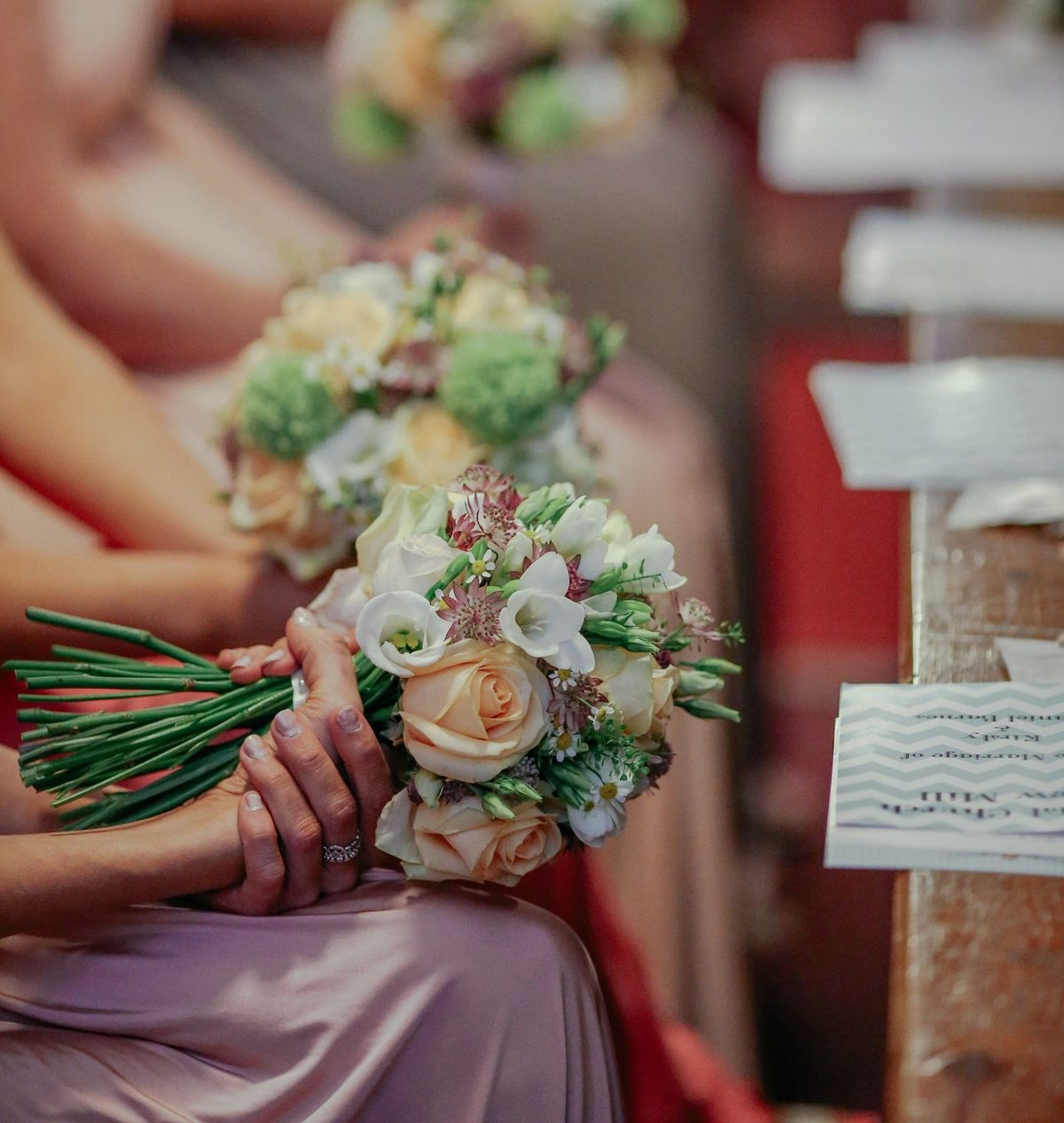
Day-of responsibilities typically include: Managing the bridal emergency kit and being the first point of contact for any logistical issues. Assisting with the dress during the ceremony and coordinating the bustle if applicable. Holding bouquets during the ring exchange. Signing the marriage license as a witness if required. Giving a toast at the reception.
Emotional support responsibilities vary by the relationship and the couple's needs. Some partners in this role are expected to be a primary sounding board throughout the planning process. Others are asked to be present and supportive on key days without ongoing involvement. Clarifying this at the start prevents mismatched expectations.
What the Best Man Role Actually Involves
Planning responsibilities typically include: Organizing the bachelor party, including logistics and budget if applicable. Coordinating suit or attire details for groomsmen. Being the primary communication point for the groomsmen leading up to the event.
Day-of responsibilities typically include: Keeping the groom on schedule and in good spirits during the getting-ready process. Holding the wedding rings until the exchange. Coordinating the groomsmen's arrival, positioning, and departure. Signing the marriage license as a witness if required. Giving a toast at the reception.
What These Roles Do Not Automatically Include
Neither role automatically includes managing family conflict, absorbing the couple's planning stress indefinitely, funding any portion of events without prior agreement, or being available at all hours throughout the planning period. These expectations, when they exist, need to be communicated directly and agreed to explicitly, not assumed.
The financial expectations around the bachelorette or bachelor party in particular are worth a specific, direct conversation early. A celebration that one person designs with an ambitious budget and another person is expected to fund without discussion is a common source of wedding party tension.
Delegating Effectively
The most useful thing a couple can do for the people in these roles is to be specific. Rather than "I need you to help me with the wedding," a conversation that identifies three or four concrete things over the planning period, and defines what day-of responsibilities look like, gives the maid of honor or best man something actionable to agree to.
Most people want to support the people they love through this process. Giving them a clear picture of what that support looks like makes it easier for them to do it well.
Use the Wedding Team section in The Planned Wedding to document your wedding party roles and assign specific responsibilities. Open the app.

